October 27, 2026
Ask anyone who has spent time in Italy what they remember most, and the answer is rarely a museum. It is usually a square: a wedge of cobblestones where a bar owner stacks chairs at seven in the morning, where a grandmother crosses with her shopping, where the light hits the church facade at six and everything turns amber. The piazza is the country's living room, and it comes in two distinct versions. One is grand, theatrical and busy. The other is small enough that after three days the barista stops asking what you want. Both are worth your time, but they reward different kinds of travellers.
Atmosphere: a stage versus a living room
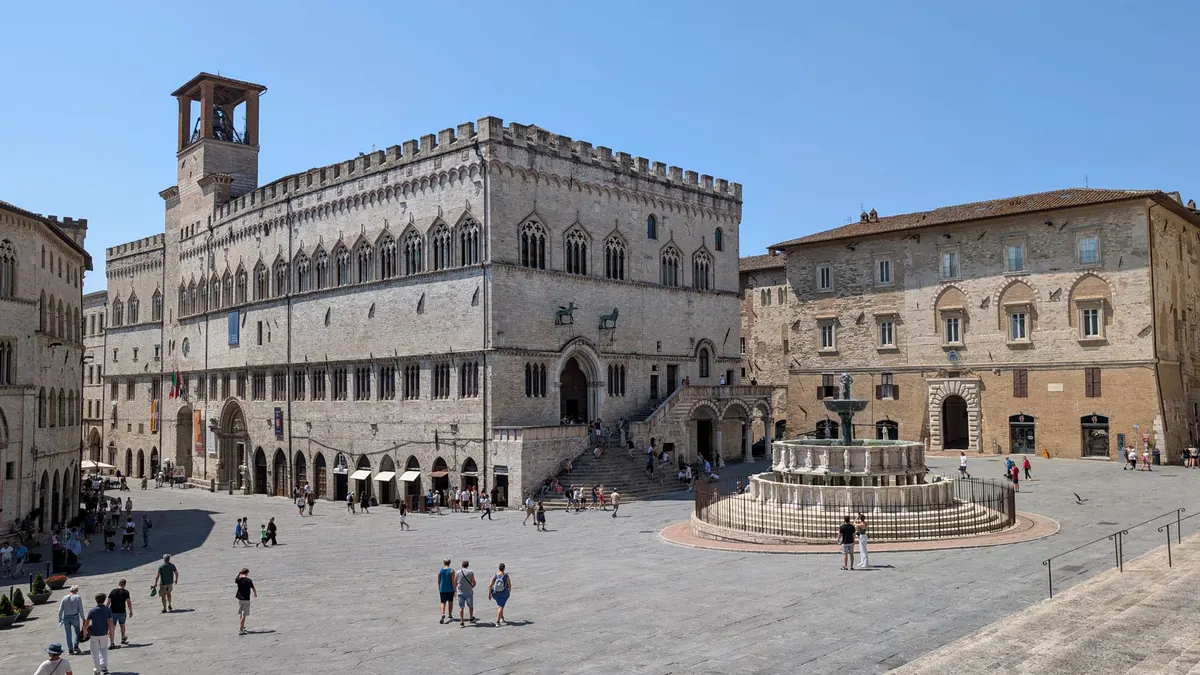
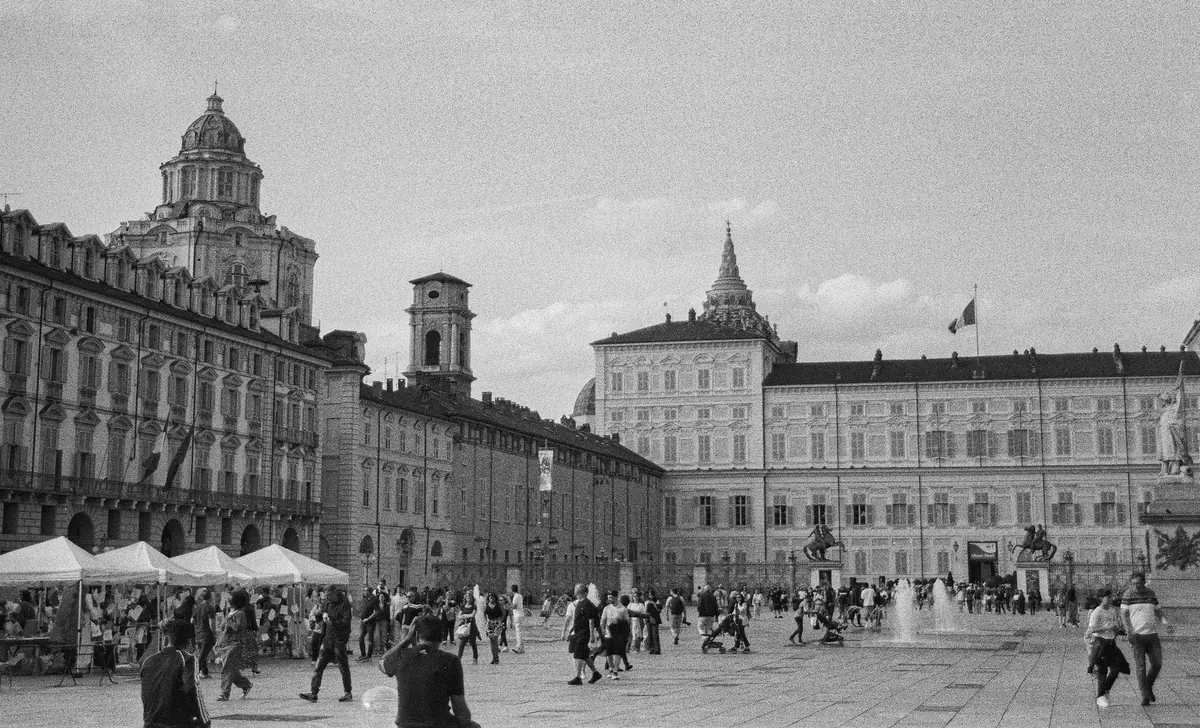
The city piazza is built to impress. Think of the sweep of Piazza del Campo in Siena, tilted like a shell, or the long theatrical run of Piazza Navona in Rome with its three fountains and its parade of people. You arrive, you stop, you look up. There is a certain performance to it, and you are part of the audience. That is not a criticism — these squares are among the finest things Europe has produced — but it does mean the space is designed around arrival rather than lingering.
A small-town piazza works differently. It is usually one modest opening surrounded by low buildings, a church, a town hall, a fountain that may or may not run. There may be four benches and a war memorial. Nothing asks you to photograph it. And yet this is where the town actually happens: the market on Tuesday, the funeral on Thursday, the teenagers circling on mopeds at nine at night. In Panicale or Asolo or Bobbio, you do not visit the piazza so much as sit inside the town's daily business. If you want to feel a place rather than see it, the small square wins almost every time.
Crowds, seasons and the question of timing
Crowds follow fame, and fame gathers in cities. A major urban piazza in July can feel less like a square than a slow-moving river of people, with the added friction of tour groups holding flags and the occasional van unloading a delivery through the middle of it. Visit at eight in the morning and it is a different place entirely; visit at two in the afternoon in August and you will want to leave within ten minutes.
Small towns have their own rhythms, but they are gentler and easier to work around. Weekends bring day-trippers from the nearest city. August brings Italians returning to family homes, which can fill a village square with more life than you expected. Midweek in May or October, you might have the whole thing to yourself apart from a dog and two men arguing about football. The trade-off is real, though: a small square with nothing happening can tip from peaceful into sleepy, and if you need momentum, shops and choices, quiet gets old by the second afternoon.
Amenities: what you can actually get done
This is where the comparison becomes practical rather than romantic.
A city piazza sits inside a dense network of things. Within a five-minute walk you will find taxis, a pharmacy, several cafés, a bookshop, a museum, an ATM, and a train or metro connection. If it rains, you have options. If you need to buy a phone charger at nine at night, someone nearby sells one. You pay for this in noise, in higher prices on the terrace, and in the constant presence of other visitors.
A small-town square offers a shorter list, but often a better version of it: one excellent bar, one bakery that closes at one, a grocer who slices the cheese while telling you where it came from. What it will not offer is redundancy. If the only restaurant is shut on Monday, dinner means driving. If the pharmacy is closed for the afternoon, you wait. The square itself may have nowhere to sit in the shade after noon.
Local rhythms: the shape of a day
In a city, the square belongs to whoever is passing through, plus a scattering of residents who have learned to ignore it. In a small town, the square belongs to a fixed cast. You will see the same faces on the same benches at the same hour, and after a few days you become part of the scenery too — greeted, nodded at, possibly asked where you are from.
That familiarity is the real luxury of the small piazza. It also comes with a schedule you have to respect. Many small-town bars close in the early afternoon and reopen in the evening. Sunday can empty a village square completely. If you plan around those hours instead of fighting them, the rewards are considerable: an evening aperitivo where the whole town seems to turn out, a conversation that starts because you are the only unfamiliar face.
Which square suits which trip
Rather than ranking one above the other, match the square to the journey you are actually taking. A few honest rules of thumb:
- For a first trip to Italy, or a short one: stay near a city piazza. You will spend less time in transit and more time seeing the things you came for.
- For a slow week, a rental car, or a second visit: base yourself in a small town and use its square as your morning anchor.
- If you are travelling with young children: small squares are safer and easier — traffic is limited, the space is enclosed, and a fountain provides an hour of entertainment.
- If you need evening energy, restaurants and choices: the city wins. Small towns can be very quiet after ten.
- If you want to practise Italian: sit in a small square for an hour a day. The opportunities come to you.
- If you have limited mobility or travel in high summer heat: favour squares with shade, level paving and services within a short walk, which more often means a city.
A simple way to decide
Be clear about what the square is for. If it is a base — somewhere to eat breakfast, check messages, orient yourself and come back to in the evening — choose a city piazza, and choose one a street or two back from the most famous one so you are not paying a premium for the view of a crowd. If the square is the point of the trip, choose a small town, book at least three nights, and give yourself a reason to be there on a weekday morning.
Practical habits serve both. Learn the closing hours before you plan your day around a meal. Carry cash for the small bar that does not take cards. Sit down and order something rather than treating the space as a photograph. And check the local festival calendar before you book: a village square that is empty on Tuesday may be packed for a patron saint's day, which is either the best or the worst timing of your trip, depending on your appetite for brass bands.
The good news is that you do not have to choose permanently. Many of the best Italian itineraries do both: three nights in a city where the piazza hums until midnight, then a slow drive into the hills to a square with one bar, four benches and a view you will remember longer than any museum.
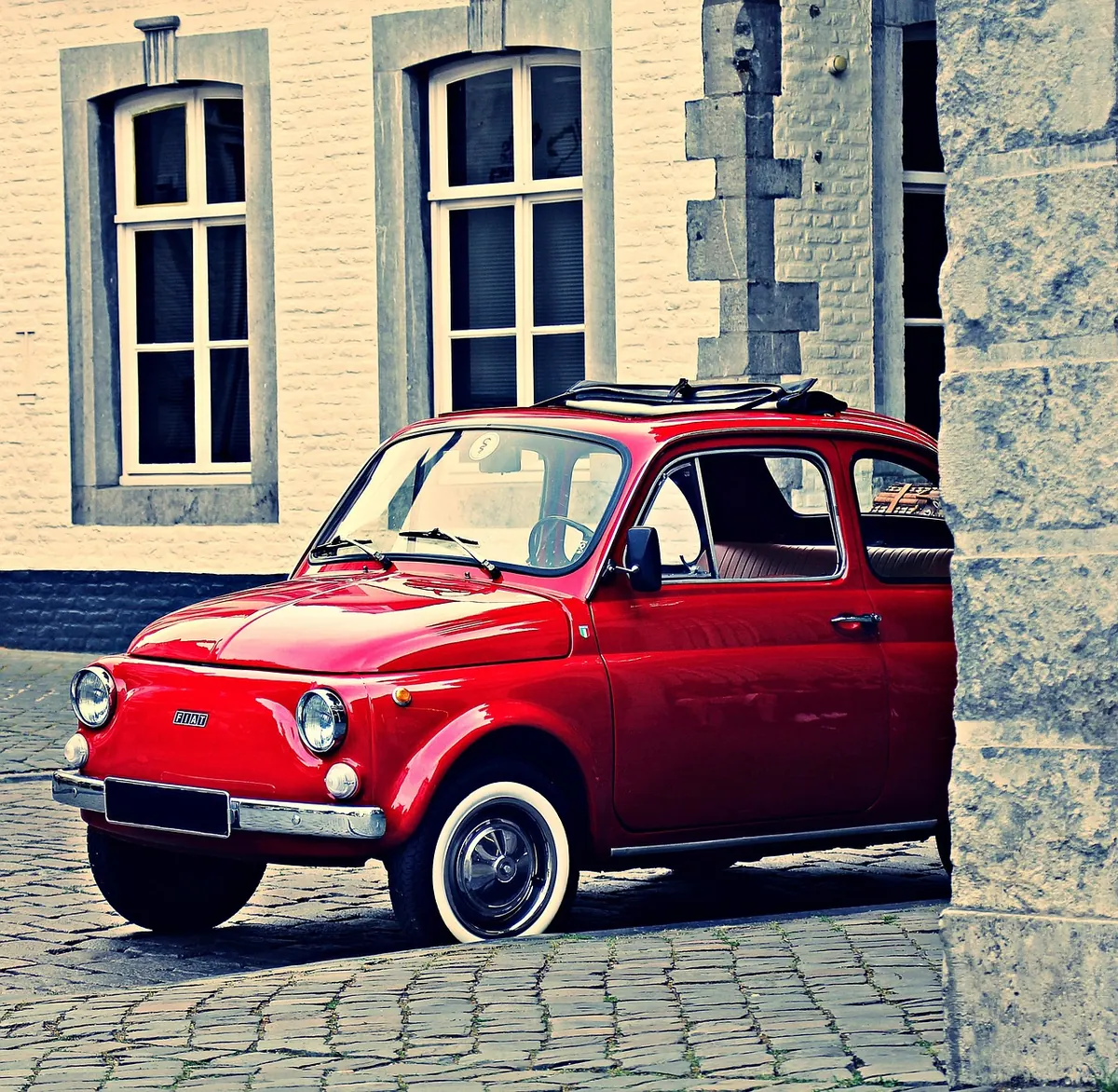
Photo: pixel2013 / Pixabay