October 24, 2026
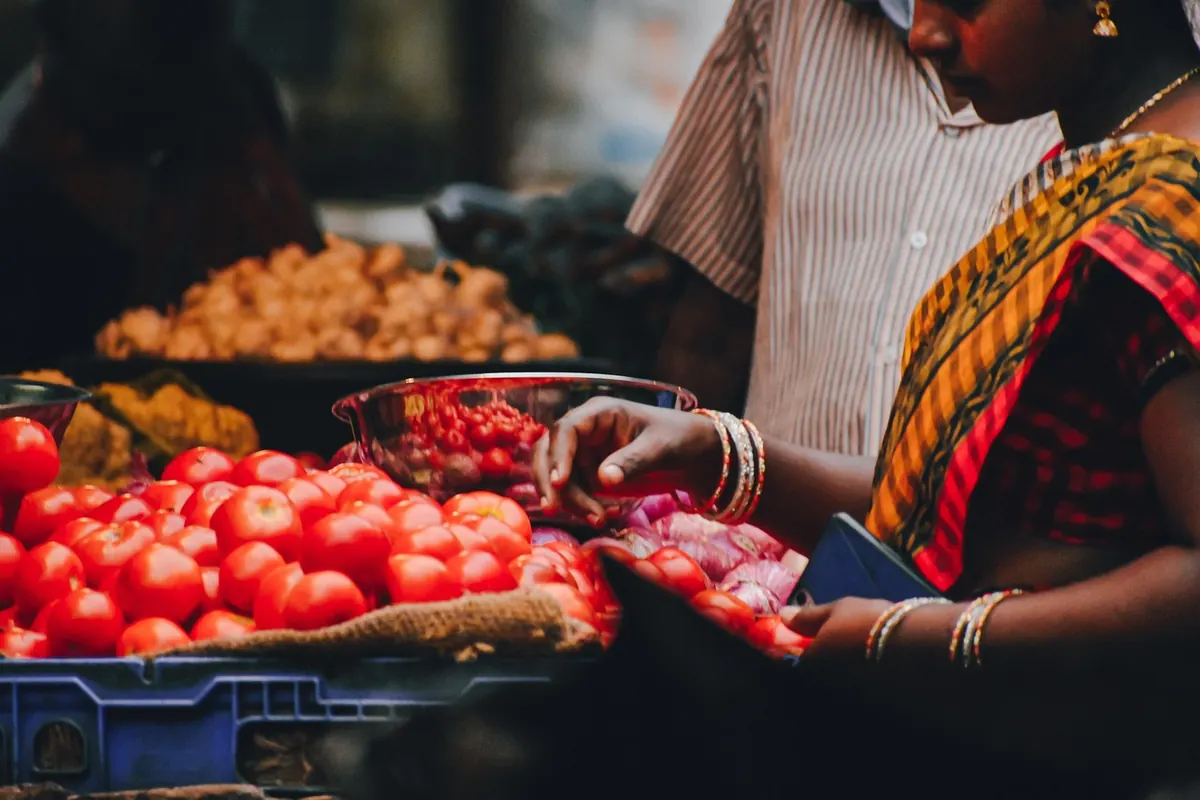
Market day begins before the square looks photogenic. A van door bangs open, a crate of artichokes lands on the pavement, and someone is already arguing—pleasantly—about the best spot for the scales. If you arrive expecting a tidy tourist attraction, you will misread the place. This is a working morning ritual, and the rules are simple once you notice them. The reward is not only a bag of peaches. It is the pleasure of being treated, for twenty minutes, like someone who belongs in the piazza.
Arrive with the rhythm, not with a list
Outdoor markets follow local timetables, not visitor schedules. Many run from early morning until lunchtime or early afternoon, but the days vary from town to town; check the comune website, a noticeboard, or ask at your hotel before you set out. Go early if you care about choice. The best produce, the freshest fish, and the calmest vendors are usually there before the crowd. Go later if you want markdowns, but expect gaps on the table and a vendor who is already thinking about packing up.
Mid-morning is the sweet spot for many visitors: the stalls are full, the queue has not become a scrum, and there is still time to change your mind. Bring a cloth bag, a little cash, and no fixed route. A market rewards the person who walks one lap before buying anything. Look at what is abundant, what looks tired, and what the locals are picking up without asking questions. That last detail tells you more than any sign.
Say good morning, then ask permission
Greetings are not decorative. They are the price of admission. Say buongiorno when you approach a stall, even if you are only looking. If you need to pass someone, a light permesso works better than a silent squeeze. When you leave, grazie and arrivederci close the exchange properly. Vendors are busy, but they notice the difference between a customer who acknowledges them and one who treats the stall like a vending machine.
Wait your turn. In a crowded market, the queue may be a loose cluster rather than a neat line, so watch who arrived before you and catch the vendor’s eye. Do not touch the produce unless you are invited. Point, ask, and let the vendor hand it to you.
A few words that help
- Buongiorno — good morning; use it on arrival.
- Permesso — excuse me, to pass through a crowd.
- Vorrei... — I would like...
- Quanto costa? — how much does it cost? For several items, Quanto costano?
- Grazie, arrivederci — thank you, goodbye.
Keep your voice low, your bag close, and your patience visible. A market is a social room with a cash box.
Order in small, clear quantities
Buy in quantities that make sense to the stall. In Italy, produce is often sold by the kilo or by the etto, which is one hundred grams. Say un etto, due etti, mezzo chilo, or un chilo, and add per favore. For herbs or leafy greens, un mazzo—a bunch—is usually enough. If you want the vendor to choose, say Mi scelga lei, or ask Quali sono i più buoni? A good vendor will not hand you the worst peach.
If you need something cleaned or prepared, ask before the item is weighed: Pulito, per favore works for fish; for vegetables, a simple Da pulire is clear enough. Do not squeeze, sniff, or rearrange a display that has been built with care. If you must check ripeness, ask first. Bring your own bag; some stalls provide them, many do not. Keep the order clear and the money ready. A long, indecisive transaction in a morning queue is not a local habit.
Carry cash, small notes, and a calm wallet
Cash still matters in outdoor markets. Many stalls take cards, especially in larger towns, but smaller producers may not, and a weak signal can turn a simple purchase into an apology. Carry a few small notes and coins, and keep them separate from larger bills. Before you hand over a big note, ask if the vendor has change. Check your change discreetly and without drama; mistakes happen in busy moments.
A zipped bag worn across your body is more sensible than a back pocket, and it leaves your hands free for produce. If you are shopping for a household or sticking to a daily budget, decide the limit before you arrive and keep a note of what you have spent. For serious financial planning, speak to a qualified adviser; for market day, a little preparation is enough.
Read the stall before you reach for your wallet
Not every stall deserves your money. Compare the display, the queue, and the vendor’s mood. A fish stall should smell of the sea, not of old ice; a cheese stall should be cool and orderly; bread should look like it was baked that morning, not rescued from a shelf. Buy what is in season and abundant. Ask Cosa mi consiglia?—what do you recommend?—and listen. At a fruit stall, the answer may be a specific variety; at a cheese counter, it may be a younger or older piece.
Do not haggle over a bunch of parsley. Mild bargaining is possible at the end of the day, but it should sound like a question, not a challenge. A simple Ha qualcosa da finire?—do you have anything to finish up?—is more polite than naming a lower price. The vendor who remembers your face will remember your preferences next week. That is the real discount.
Keep the square pleasant for everyone
Step to the side when you stop to check a list. Do not block a stall while you take a photo or finish a phone call. Ask before photographing people, especially vendors at work. Keep children close and dogs away from food displays unless the stallholder says otherwise. Eat your picnic somewhere else; a market is not a restaurant, and a half-eaten pastry in front of a cheese counter helps no one. Put wrappers in your bag until you find a bin. If you bump someone, say scusi; if someone helps you, say grazie. These small courtesies are not formalities. They are how a crowded square stays pleasant.
A simple market day plan
- Check the market day and closing time before you leave.
- Take a cloth bag, small notes, and a short list you are willing to abandon.
- Walk one full lap before buying anything.
- Greet each vendor, wait your turn, and ask for advice.
- Buy fragile items and cold food last, then head home without delay.
Leave with less than you think you need. A market is best enjoyed at a human pace: one conversation, one good tomato, one vendor who nods when you return next week.
Photo: udayteja7770 / Pixabay